

Introduction: Detecting the Undetected
Imagine a disease that silently damages your heart, kidneys, and blood vessels for a decade before you feel a single symptom. Now imagine that a simple, inexpensive test — taken during a routine clinic visit — could have caught it years earlier, preventing the heart attack, the kidney failure, the stroke that eventually follows.
This is not a hypothetical. It is the daily reality of non-communicable diseases (NCDs) — and the reason that screening, surveillance, and organized public health programmes are not optional extras in modern healthcare. They are the foundation of effective NCD control.
NCDs including cardiovascular diseases, diabetes, cancers, chronic respiratory diseases, and mental health disorders account for approximately 74% of all global deaths. The tragedy is not just the scale of this toll — it is how much of it is preventable. A robust system of early detection and continuous monitoring, paired with well-designed national programmes, can interrupt disease progression, reduce complications, and save millions of lives annually.
This article examines the principles, strategies, and systems that make NCD screening, surveillance, and public health programming effective — and why they matter more than ever.
Why Early Detection Changes Everything
The natural history of most NCDs follows a predictable arc: a long, silent preclinical phase during which disease develops without causing obvious symptoms, followed eventually by clinical presentation — often at a stage when significant organ damage has already occurred.
Hypertension may be present for years before it causes a stroke. Type 2 diabetes silently damages nerves and kidneys long before it is diagnosed. Cervical cancer begins as a detectable cellular abnormality that, if caught early, is almost entirely curable.
The Case for NCD Screening and Surveillance
Effective NCD control depends on the ability to:
- Detect disease and risk factors early — before irreversible complications develop
- Reach high-risk individuals — who may not seek care on their own
- Monitor disease patterns across populations — to understand who is affected, where, and why
- Evaluate the effectiveness of interventions — providing evidence for what works
- Support health policy and resource allocation — directing investment toward areas of greatest need
- Reduce premature mortality and disability — the ultimate measure of a successful programme
Population-based screening and continuous surveillance are not just clinical tools — they are public health infrastructure. Without them, NCD programmes operate blind.
NCD Screening: Principles and Practice
Screening is the systematic application of a test or inquiry to identify individuals who may have a disease or condition that warrants further investigation or treatment — before they present with symptoms.
It is important to distinguish screening from diagnosis. A screening test does not confirm disease; it identifies individuals who require further evaluation. This distinction matters because screening programmes must balance the benefits of early detection against the risks of false positives, unnecessary investigations, and the psychological burden of labelling.
Criteria for an Effective Screening Programme
The foundational principles of screening — first articulated by Wilson and Jungner for the WHO in 1968 and still relevant today — include:
- The condition being screened for should be an important public health problem
- There should be a recognizable early or preclinical stage
- Early treatment should be more effective than treatment at a later stage
- The test should be safe, acceptable, and sufficiently sensitive and specific
- Diagnostic and treatment services must be available to follow up on screening results
- The programme should be cost-effective and sustainable
Common Areas of NCD Screening
Hypertension: Blood pressure measurement is among the most cost-effective screening interventions available. Given that hypertension affects over 1.3 billion people globally — and the majority are unaware of their diagnosis — opportunistic screening during every clinical contact is strongly recommended.
Diabetes Mellitus: Fasting blood glucose, HbA1c, and oral glucose tolerance tests are used to identify pre-diabetes and early type 2 diabetes. Targeted screening is recommended for individuals with risk factors including obesity, family history, sedentary lifestyle, and hypertension.
Obesity and BMI Assessment: BMI measurement, combined with waist circumference, identifies individuals at elevated metabolic and cardiovascular risk — and enables early counseling and lifestyle intervention.
Cardiovascular Risk Assessment: Validated tools such as the Framingham Risk Score and WHO cardiovascular risk prediction charts allow clinicians to estimate 10-year cardiovascular risk and prioritize preventive interventions.
Cancer Screening: Cervical cancer screening through Pap smear or HPV testing, breast cancer screening via mammography, and oral cancer screening through visual inspection are well-established programmes that dramatically reduce cancer mortality when implemented at scale.
Mental Health Disorders: Validated screening tools such as the PHQ-9 for depression and the GAD-7 for anxiety are increasingly integrated into primary care settings, enabling early identification and treatment of common mental health conditions.
Approaches to Delivering Screening
- Population-based screening — inviting all eligible individuals within a defined population for testing (e.g., national cervical cancer screening programmes)
- Opportunistic screening — testing individuals who present for other reasons during routine healthcare contacts
- Community outreach screening — mobile health camps and community-level initiatives that bring screening to underserved populations
- Workplace and school-based screening — integrating health checks into everyday settings to increase coverage and normalize preventive health behaviour
- Risk-based targeted screening — focusing resources on individuals with established risk factors to maximize yield and cost-effectiveness
NCD Surveillance: The Nervous System of Public Health
If screening identifies individuals at risk, surveillance monitors entire populations. The WHO defines public health surveillance as the continuous, systematic collection, analysis, interpretation, and dissemination of health-related data for use in planning, implementing, and evaluating public health practice.
Surveillance is what tells us that hypertension prevalence has risen by 30% in a given region over a decade. It is what reveals that tobacco use is declining in response to taxation policies — or that diabetes incidence is rising among young adults. Without surveillance, public health operates on assumptions rather than evidence.
Key Components of NCD Surveillance
Risk Factor Surveillance: Monitoring population-level exposure to behavioral and metabolic risk factors — tobacco use, alcohol consumption, physical inactivity, unhealthy diet, raised blood pressure, elevated blood glucose, and dyslipidemia — provides the earliest indication of future disease burden.
Morbidity and Mortality Monitoring: Tracking NCD incidence, prevalence, case fatality rates, and cause-specific mortality over time reveals the true scale and trajectory of the NCD epidemic.
Behavioral Surveillance: Surveys that capture health-related behaviors — dietary habits, exercise patterns, smoking rates, alcohol use — help identify high-risk groups and evaluate the impact of health promotion campaigns.
Health System Indicators: Monitoring treatment coverage, medication availability, healthcare workforce capacity, and care quality ensures that health systems are meeting the needs of NCD patients.
Programme Performance Monitoring: Evaluating whether screening programmes are reaching their target populations, whether diagnosed patients are being treated, and whether treatment is achieving desired outcomes enables continuous quality improvement.
Major Surveillance Systems
WHO STEPwise Approach to NCD Surveillance (STEPS): A standardized framework developed by the WHO for collecting, analyzing, and disseminating data on NCD risk factors in low- and middle-income countries. STEPS surveys use a common methodology to enable cross-country comparisons and trend analysis.
National Health Surveys: Nationally representative household surveys — such as India’s National Family Health Survey (NFHS) or the US National Health and Nutrition Examination Survey (NHANES) — provide comprehensive data on NCD burden and risk factor exposure at population level.
Cancer Registries: Population-based and hospital-based cancer registries document cancer incidence, stage at diagnosis, treatment patterns, and survival rates — essential data for cancer control planning.
Mortality Surveillance Systems: Civil registration and vital statistics systems that accurately record causes of death are fundamental to understanding NCD mortality trends and identifying priority areas for intervention.
Public Health Programmes: From Evidence to Action
Surveillance data informs the design and targeting of public health programmes. These programmes translate epidemiological evidence into coordinated, population-wide action.
Key National and Global Initiatives
WHO Global Action Plan for NCDs (2013–2030): A comprehensive framework with nine voluntary global targets — including a 30% reduction in tobacco use, a 25% reduction in premature NCD mortality, and a 25% reduction in raised blood pressure prevalence — guiding national NCD responses worldwide.
Sustainable Development Goals (SDGs): SDG 3.4 specifically targets a one-third reduction in premature mortality from NCDs by 2030, embedding chronic disease control within the global development agenda.
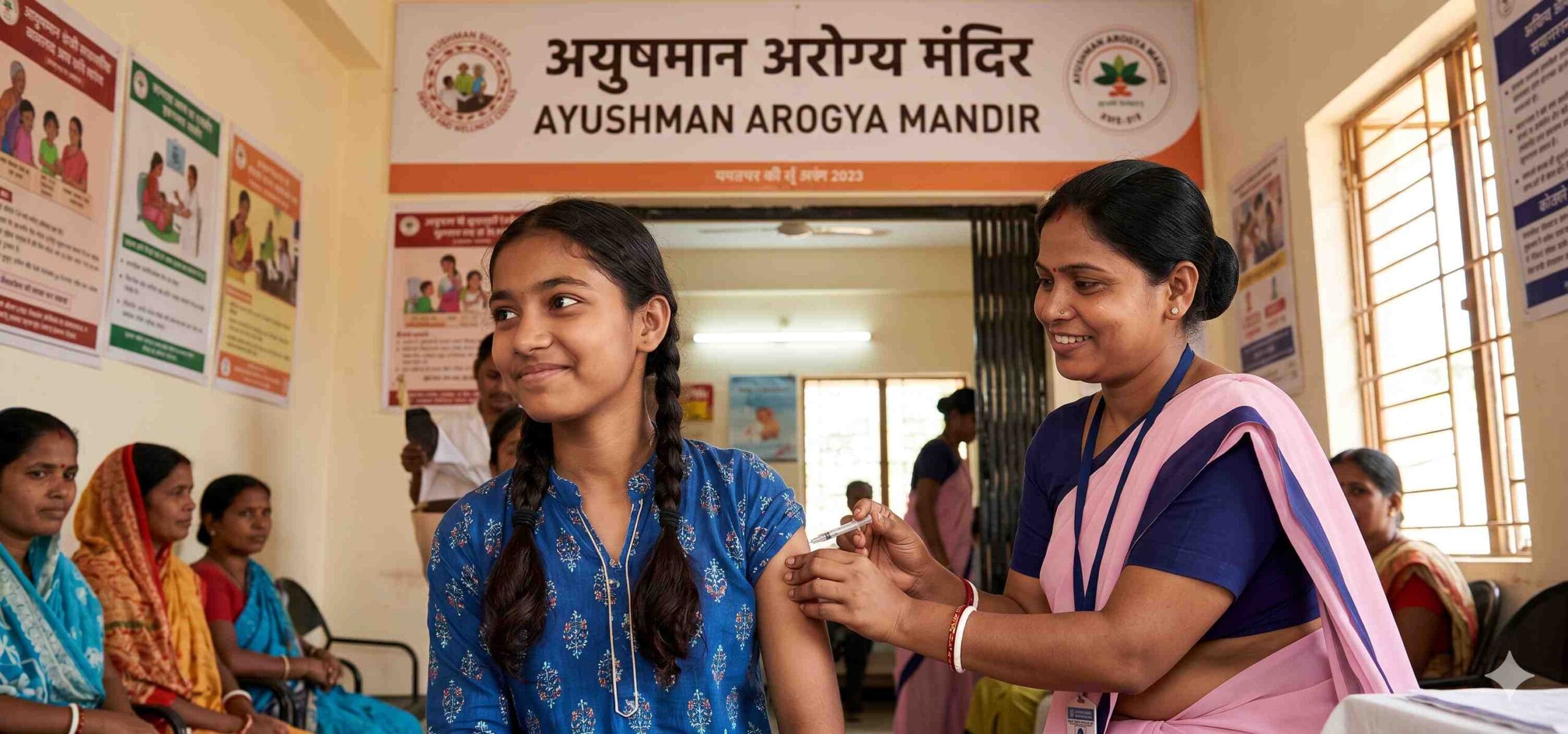
National Programme for Prevention and Control of Non-Communicable Diseases (NPCDCS) — India: A flagship national programme integrating NCD screening, health promotion, early diagnosis, and management through a strengthened primary healthcare network, including population-based screening for common cancers, diabetes, hypertension, and oral health conditions.
Tobacco and Alcohol Control Policies: Taxation, advertising restrictions, plain packaging, public smoking bans, and minimum unit pricing for alcohol are among the most cost-effective population-level interventions for reducing NCD risk.
Salt Reduction and Healthy Diet Campaigns: WHO’s SHAKE technical package and national reformulation initiatives target sodium reduction in processed foods — a critical strategy for hypertension prevention at scale.
Physical Activity Promotion Programmes: Urban planning for walkability, school-based physical education mandates, and community exercise programmes form part of integrated strategies to address physical inactivity — the fourth leading risk factor for global mortality.
Core Strategies That Work
- Population-based prevention targeting entire communities, not just high-risk individuals
- Multi-sectoral collaboration engaging health, education, agriculture, urban planning, and finance ministries
- Digital health integration — electronic health records, mobile health applications, and telemedicine expanding the reach and quality of NCD care
- Universal health coverage approaches ensuring that NCD prevention and treatment are accessible regardless of ability to pay
- Capacity building for healthcare workers equipping frontline providers with the skills, tools, and protocols to deliver effective NCD care
The Public Health Imperative
For community medicine practitioners, epidemiologists, programme managers, and policymakers, NCD screening and surveillance are not bureaucratic exercises — they are the engines of evidence-based public health.
They tell us where the burden lies, who is being missed, which interventions are working, and where to invest next. Without this infrastructure, NCD programmes are built on guesswork. With it, they become precision instruments for improving population health at scale.
The growing global burden of NCDs demands nothing less than a fully integrated approach: systematic screening that reaches every at-risk individual, surveillance systems that generate real-time, actionable data, and public health programmes with the ambition, resources, and political commitment to deliver lasting change.
Conclusion: Building Systems That Save Lives
Preventing and controlling non-communicable diseases requires more than good intentions. It requires systems — screening systems that find disease before it becomes devastating, surveillance systems that reveal the truth about population health, and public health programmes that translate evidence into action.
Every blood pressure check done, every risk factor survey completed, every national NCD target set and monitored is a brick in the wall against premature death and preventable suffering. The science is clear. The tools exist. The imperative is to build and sustain the systems that put them to work for every community, in every country.
References
- World Health Organization. Screening programmes: a short guide — increase effectiveness, maximize benefits, and minimize harm [Internet]. Copenhagen: WHO Regional Office for Europe; 2020 [cited 2025 May]. Available from: https://www.who.int/europe/publications/i/item/978928901-5396
- World Health Organization. The WHO STEPwise approach to NCD risk factor surveillance (STEPS) [Internet]. Geneva: WHO; 2023 [cited 2025 May]. Available from: https://www.who.int/teams/noncommunicable-diseases/surveillance/systems-tools/steps
- World Health Organization. Global action plan for the prevention and control of noncommunicable diseases 2013–2030 [Internet]. Geneva: WHO; 2020 [cited 2025 May]. Available from: https://www.who.int/publications/i/item/9789241506236
- Ministry of Health and Family Welfare, Government of India. National Programme for Prevention and Control of Non-Communicable Diseases (NPCDCS) [Internet]. New Delhi: MoHFW; 2023 [cited 2025 May]. Available from: https://nhm.gov.in/index1.php?lang=1&level=2&sublinkid=1183&lid=604
- Beaglehole R, Bonita R, Alleyne G, Horton R, Li L, Lincoln P, et al. UN High-Level Meeting on Non-Communicable Diseases: addressing four questions. Lancet [Internet]. 2011 [cited 2025 May];378(9789):449–455. Available from: https://www.thelancet.com/journals/lancet/article/PIIS0140-6736(11)60879-9/fulltext
Free HPV Vaccination in India 2026: Everything You Need to Know About the National Campaign
- Source: MResPilot