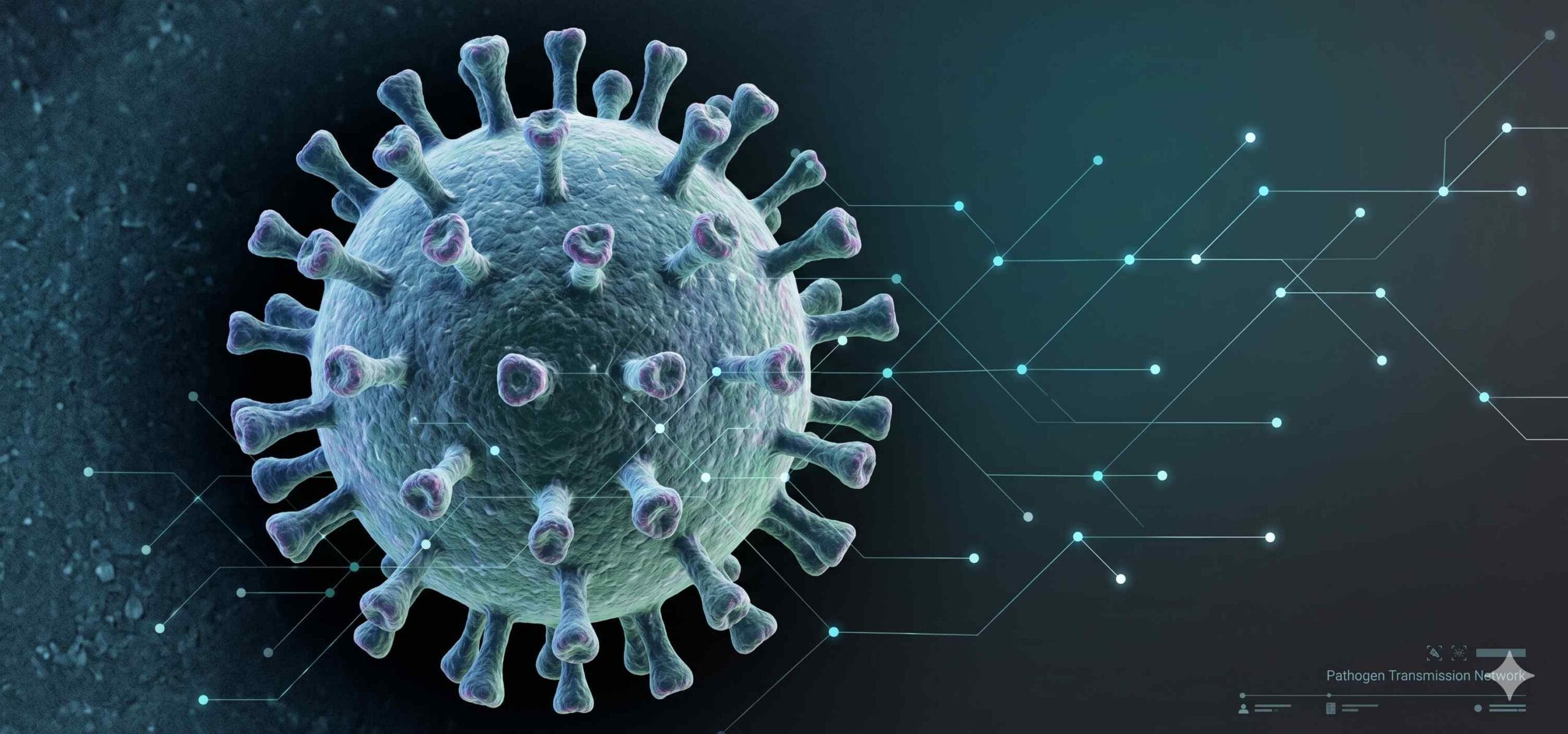
When a new disease emerges or an old one resurges, the first responders are not always the ones in hospital wards — they are the epidemiologists, disease surveillance officers, and public health managers who work to understand what is happening, why, and what to do about it. Disease epidemiology and management form the scientific and operational backbone of public health, providing the tools to detect outbreaks, trace transmission, and put them under control. In a world where infectious diseases continue to pose significant threats, understanding these disciplines is not just academic — it is essential.
What Is Disease Epidemiology?
Epidemiology is the study of how diseases are distributed across populations and what factors determine that distribution. The word itself comes from the Greek: epi (upon), demos (people), and logos (study). At its core, epidemiology answers three fundamental questions: Who is getting sick? Where are they getting sick? And when?
By answering these questions systematically, epidemiologists can identify the causes of disease, the populations most at risk, and the conditions that enable transmission. This information is then used to design and evaluate prevention and control strategies — making epidemiology as much an applied science as it is an investigative one.
Epidemiology covers both communicable diseases (those caused by infectious agents such as bacteria, viruses, parasites, and fungi) and non-communicable diseases (such as cardiovascular disease, diabetes, and cancer). This article focuses primarily on communicable disease epidemiology and management, where the interplay between pathogen, host, and environment is most dynamic and most urgent.
Understanding Disease Transmission
The first step in managing any communicable disease is understanding how it spreads. Disease transmission refers to the mechanisms by which an infectious agent moves from a source to a susceptible host. These mechanisms vary widely depending on the nature of the pathogen and have direct implications for what control measures will be effective.
Major Routes of Transmission
Airborne and Droplet Transmission: Respiratory pathogens such as Mycobacterium tuberculosis (TB), measles virus, and SARS-CoV-2 spread through particles released into the air when an infected person breathes, speaks, coughs, or sneezes. Airborne diseases are among the most difficult to control because the pathogen can remain suspended in the air or travel significant distances.
Contact Transmission: Direct contact (skin-to-skin, sexual contact) or indirect contact (touching contaminated surfaces) enables pathogens such as herpes simplex virus, scabies, and norovirus to spread. Hand hygiene remains one of the single most effective interventions for interrupting contact transmission.
Waterborne and Foodborne Transmission: Cholera, typhoid fever, hepatitis A, and many diarrhoeal diseases spread through contaminated water or food. Outbreaks of these diseases often reflect failures in water treatment, sanitation infrastructure, or food safety practices.
Vector-Borne Transmission: Some pathogens require an intermediate host — a vector — to complete their life cycle and reach a new human host. Malaria (transmitted by Anopheles mosquitoes), dengue fever (by Aedes mosquitoes), and Lyme disease (by ticks) are classic examples. Vector control — through insecticides, environmental management, and personal protective measures — is central to managing these diseases.
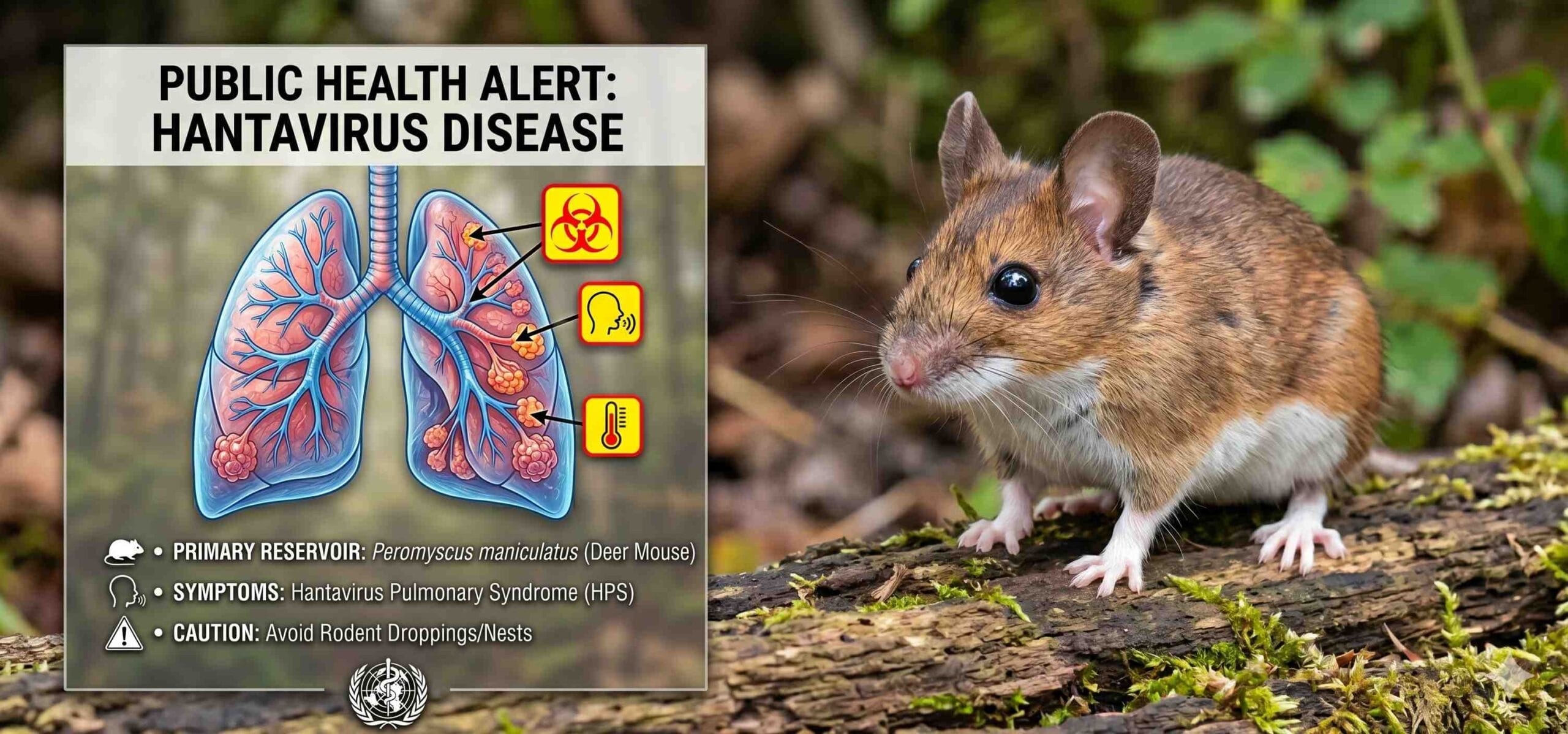
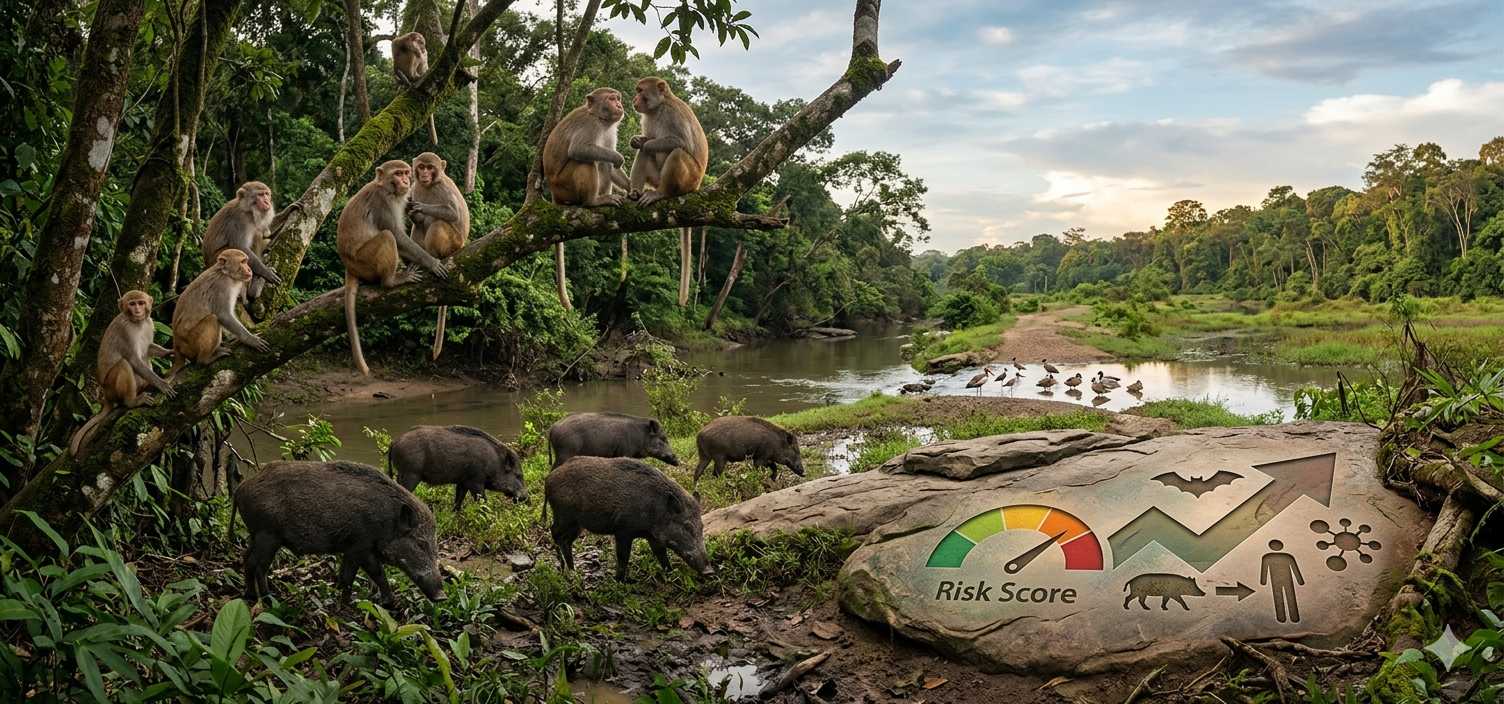
Zoonotic Transmission: Many emerging infectious diseases originate in animal reservoirs and spill over into human populations. Ebola, rabies, avian influenza, and COVID-19 are all examples of zoonotic diseases. Surveillance at the human-animal interface is a critical but often under-resourced component of global health security.
The Chain of Infection
Understanding transmission routes leads naturally to the concept of the chain of infection — a model that describes the six sequential links necessary for an infectious disease to spread from one host to another:
- Infectious Agent — the pathogen (bacterium, virus, parasite, fungus)
- Reservoir — the environment where the pathogen lives and multiplies (humans, animals, soil, water)
- Portal of Exit — how the pathogen leaves the reservoir (respiratory secretions, faeces, blood, skin lesions)
- Mode of Transmission — the route through which it travels (airborne, contact, vector, etc.)
- Portal of Entry — how it enters a new host (mucous membranes, broken skin, inhalation, ingestion)
- Susceptible Host — a person without adequate immunity to resist infection
Public health interventions work by breaking one or more of these links. Vaccination creates immune hosts. Water treatment eliminates the reservoir or removes the portal of entry. Mosquito nets interrupt the mode of transmission. Personal protective equipment blocks the portal of entry. The chain of infection model remains one of the most practically useful frameworks in communicable disease control.
Epidemiological Principles: Triad, Patterns, and Levels
The Epidemiological Triad
The classic epidemiological triad describes communicable disease as the product of three interacting factors: the agent (the infectious organism), the host (the human or animal affected), and the environment (the physical, biological, and social conditions that influence exposure and susceptibility). Disease occurs when these three elements interact in a way that tips the balance toward infection.
This model is powerful because it highlights that disease is not simply caused by a pathogen alone — host factors (age, immune status, nutritional state, genetics) and environmental factors (poverty, overcrowding, climate, sanitation) are equally important determinants. Effective disease management must address all three corners of the triad.
Disease Patterns: Endemic, Epidemic, and Pandemic
Three key terms describe the magnitude and spread of communicable diseases in populations:
- Endemic: A disease is endemic when it maintains a relatively stable, expected level of occurrence within a defined geographic area. Malaria is endemic in much of sub-Saharan Africa; dengue is endemic across tropical Asia. Endemic diseases represent a persistent public health burden that requires ongoing surveillance and management programs.
- Epidemic: An epidemic occurs when the number of new disease cases rises substantially above the expected baseline in a population or geographic area within a defined time period. Cholera outbreaks following natural disasters, measles surges in under-vaccinated populations, and seasonal influenza spikes are all examples of epidemics.
- Pandemic: A pandemic is an epidemic that spreads across multiple countries or continents, affecting a large proportion of the global population. COVID-19, declared a pandemic by WHO in March 2020, is the most recent and most disruptive example. Pandemic preparedness and response planning is now a core responsibility of national governments and international health bodies.
Understanding which category a disease falls into shapes the appropriate public health response — from routine programmatic management for endemic diseases to emergency operations for epidemic and pandemic events.
Diagnosis, Surveillance, and Case Detection
Early and accurate diagnosis is a cornerstone of communicable disease management. The earlier a case is detected, the sooner the individual can receive treatment and the sooner transmission chains can be identified and disrupted.
Surveillance is the continuous, systematic collection, analysis, and interpretation of health data for the purpose of informing public health action. There are two main types: passive surveillance (which relies on healthcare providers to report cases as part of routine practice) and active surveillance (where public health officials proactively seek out cases in the community or clinical settings, often during outbreak investigations).
Contact tracing is a critical active surveillance strategy. When a new case is identified, public health workers identify everyone the infected person may have exposed — their contacts — and monitor those contacts for signs of illness. If contacts develop disease, they become new cases, and their contacts are traced in turn. During the COVID-19 pandemic, contact tracing was scaled up to extraordinary levels worldwide, demonstrating both its value and its resource demands.
Screening programs extend detection beyond symptomatic individuals by identifying disease or infection in people who appear well. TB screening in high-burden communities, HIV testing campaigns, and sexually transmitted infection (STI) screening clinics are all examples. Effective screening requires accurate diagnostic tests, adequate follow-up capacity, and linkage to treatment.
Vector Control and Environmental Measures
For vector-borne diseases, controlling the vector is as important as treating the disease. Vector control measures include:
- Indoor residual spraying (IRS): Applying long-lasting insecticide to the interior walls of homes to kill mosquitoes that rest after feeding.
- Insecticide-treated nets (ITNs): Providing communities with bed nets treated with pyrethroid insecticides to prevent nighttime mosquito bites.
- Larval source management: Eliminating or treating the standing water where mosquitoes breed, through drainage, covering water containers, or applying larvicides.
- Biological control: Introducing natural predators or competitors of vectors, such as larvivorous fish in water bodies.
- Environmental management: Reducing vector habitats through urban planning, solid waste management, and land use decisions.
Integrated vector management (IVM) — combining multiple strategies tailored to local context — is the recommended approach for sustainable vector control.
Public Health Disease Management: A Systems Approach
Managing communicable diseases at the population level requires a coordinated, multi-sectoral systems approach. No single intervention — however effective — can succeed in isolation. Sustainable disease management depends on:
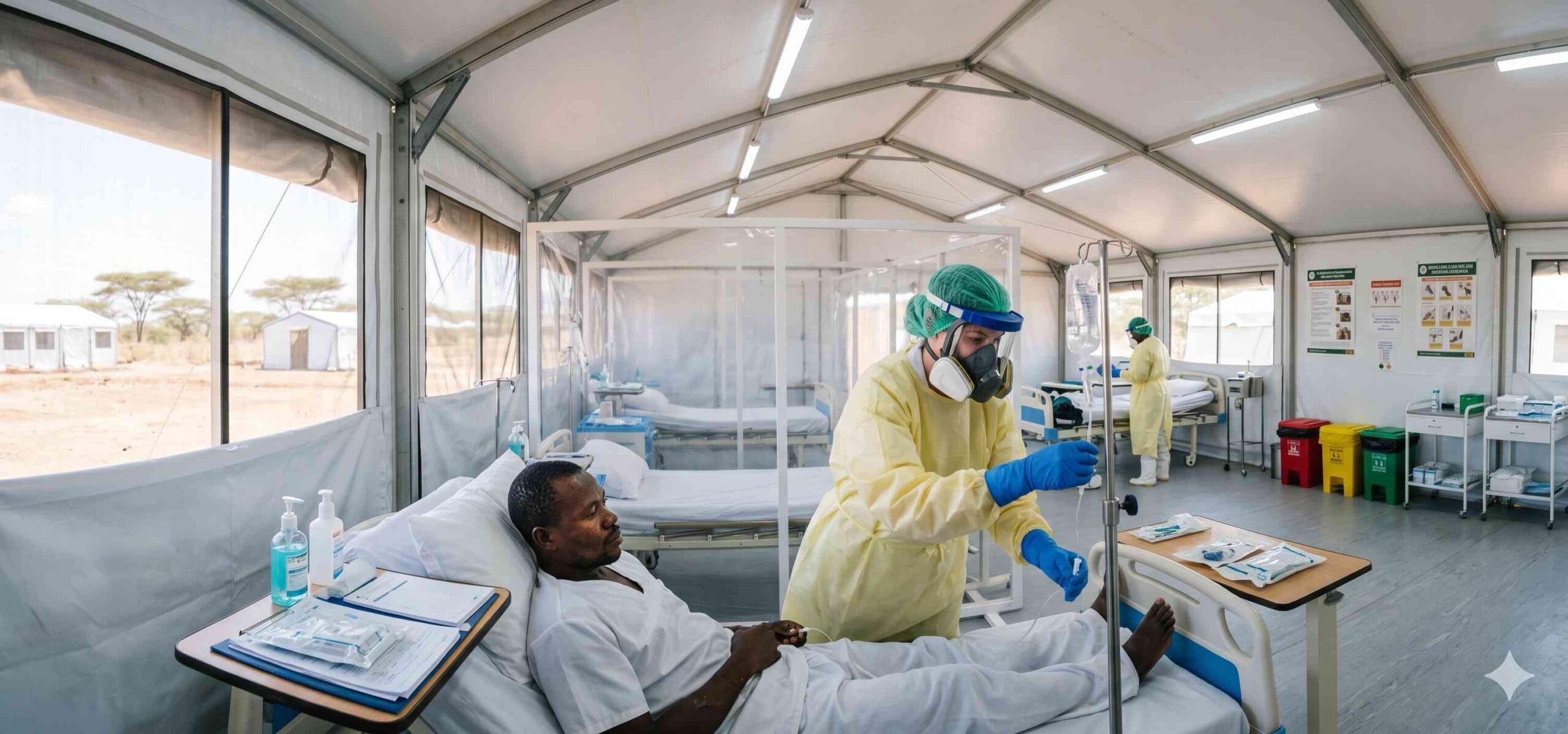
Healthcare System Capacity: Primary health care facilities need adequate diagnostic capacity, treatment supplies, trained staff, and referral pathways. Weak health systems allow diseases to spread unchecked before detection.
Field Surveillance Teams: Rapid response teams capable of investigating suspected outbreaks, collecting specimens, and implementing initial control measures are a critical component of national preparedness capacity.
Community Engagement: Communities are both the primary at-risk population and the most important partners in disease control. Health education, community-based surveillance, and participatory approaches to prevention significantly improve program outcomes.
Intersectoral Collaboration: Many determinants of communicable disease — including water quality, sanitation, housing, nutrition, and climate — lie outside the health sector. Effective disease management requires engagement with agriculture, environment, education, and local government.
Health Information Systems: Digital surveillance platforms, geographic information systems (GIS), and real-time data dashboards increasingly support disease monitoring and response coordination.
The goal of public health disease management is not only to respond to outbreaks as they occur but to build the resilient systems that can detect threats early, respond rapidly, and prevent recurrence.
Conclusion
Disease epidemiology and management represent some of the most intellectually rigorous and practically vital disciplines in all of public health. From tracing the chain of infection to coordinating a national outbreak response, these fields demand both analytical precision and operational agility. In a world where new pathogens continue to emerge and old diseases continue to resurge, investing in epidemiological capacity, surveillance infrastructure, and disease management systems is not optional — it is the foundation upon which all other health security rests.
References
- World Health Organization. Communicable disease surveillance and response [Internet]. Geneva: WHO; 2024 [cited 2025 May 7]. Available from: https://www.who.int/topics/communicable_diseases/en/
- Centers for Disease Control and Prevention. Principles of epidemiology in public health practice, 3rd ed. [Internet]. Atlanta: CDC; 2012 [cited 2025 May 7]. Available from: https://www.cdc.gov/csels/dsepd/ss1978/index.html
- Porta M, editor. A dictionary of epidemiology. 6th ed. New York: Oxford University Press; 2014. Available from: https://global.oup.com/academic/product/a-dictionary-of-epidemiology-9780199976720
- World Health Organization. Vector-borne diseases [Internet]. Geneva: WHO; 2020 [cited 2025 May 7]. Available from: https://www.who.int/news-room/fact-sheets/detail/vector-borne-diseases
- Brownson RC, Petitti DB, editors. Applied epidemiology: Theory to practice. 2nd ed. New York: Oxford University Press; 2006. Available from: https://global.oup.com/academic/product/applied-epidemiology-9780195187236
The ‘Explosive Diarrhoea’ Parasite Outbreak in the US: Why Indians Should Pay Attention Too

- Source: MResPilot
Poliovirus: Causes, Symptoms, Vaccines and Why the World Still Cannot Eradicate It
- Source: MResPilot