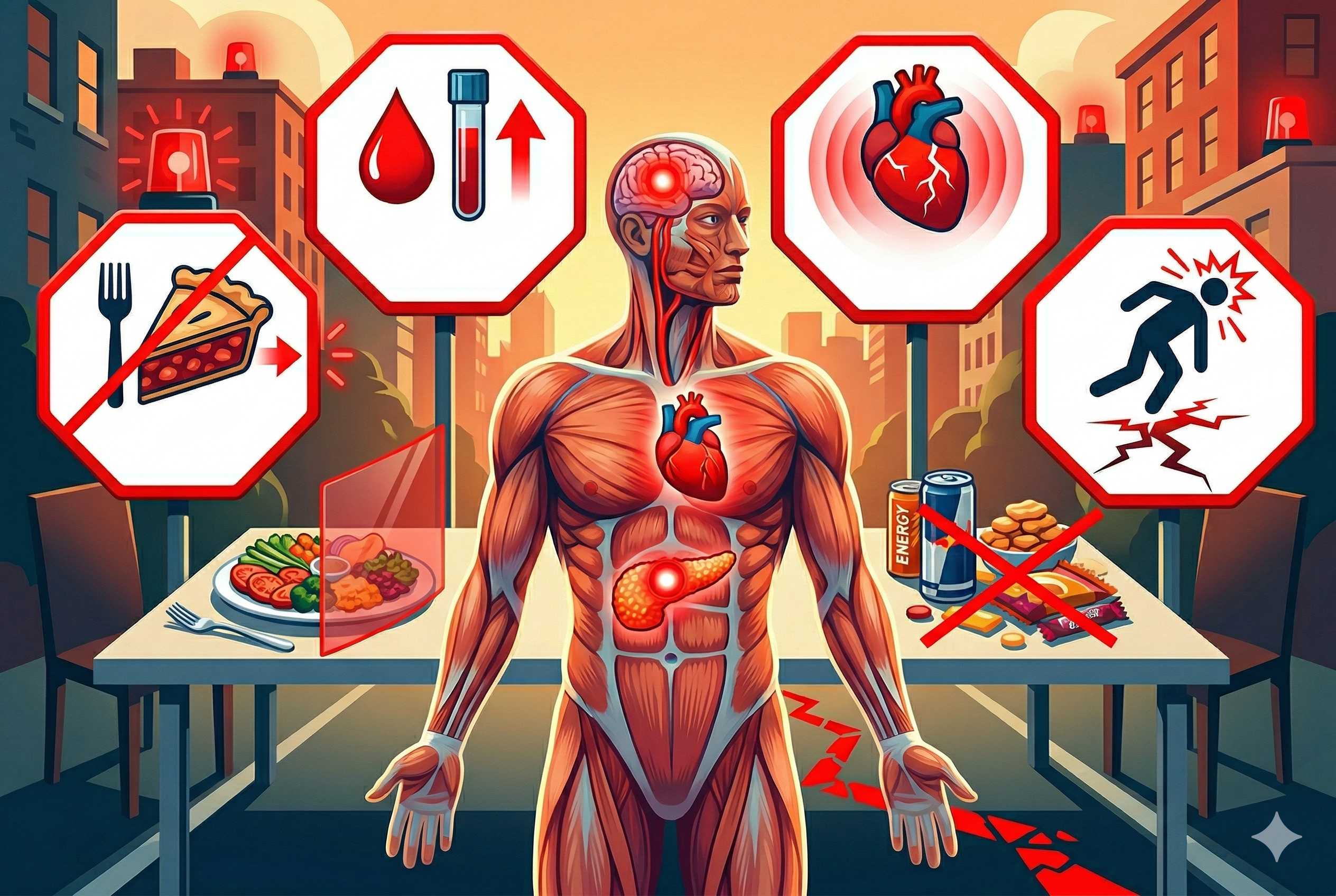

Introduction: The Silent Epidemic You Can’t Ignore
You don’t catch a lifestyle disease the way you catch a cold. There’s no single moment of exposure, no sudden onset, and no obvious culprit to blame. Instead, these conditions build quietly over years — shaped by what you eat, how much you move, whether you smoke, how well you sleep, and how much stress you carry.
This is the defining health challenge of the 21st century. Non-communicable diseases (NCDs) — the medical term for lifestyle diseases — are now responsible for approximately 74% of all deaths globally, according to the World Health Organization. What makes this statistic both alarming and hopeful is that the vast majority of these conditions are largely preventable.
From hypertension and type 2 diabetes to coronary artery disease and certain cancers, lifestyle diseases share a common thread: they are strongly influenced by modifiable behaviors and environmental exposures. Understanding these risk factors is the first step toward reclaiming control over your long-term health.
What Are Lifestyle Diseases?
Lifestyle diseases are non-communicable diseases (NCDs) that develop gradually as a result of daily habits, behaviors, and environmental influences. Unlike infectious diseases, they are not caused by pathogens and cannot be transmitted from person to person.
They are, however, deeply contagious in a social sense — spreading through communities via shared dietary norms, cultural practices, and built environments that either enable or discourage healthy choices.
Major Lifestyle Diseases Include:
- Hypertension (high blood pressure) — often called the “silent killer” because it rarely causes symptoms until serious damage is done
- Coronary artery disease (CAD) — narrowing of heart arteries, leading to chest pain and heart attacks
- Stroke — a medical emergency caused by disrupted blood flow to the brain
- Type 2 diabetes mellitus — a metabolic disease characterized by elevated blood sugar
- Obesity — a chronic condition marked by excess body fat that increases the risk of numerous other diseases
- Metabolic syndrome — a cluster of interrelated conditions including high blood pressure, high blood sugar, abnormal cholesterol, and abdominal obesity
- Chronic respiratory diseases — including chronic obstructive pulmonary disease (COPD) and asthma
- Certain cancers — particularly those linked to tobacco use, obesity, and alcohol consumption
- Non-alcoholic fatty liver disease (NAFLD) — increasingly common in individuals with obesity or metabolic syndrome
- Osteoporosis — weakening of the bones, often linked to poor nutrition, physical inactivity, and hormonal changes
Why Do Lifestyle Diseases Matter?
The burden of lifestyle-related illness extends well beyond individual suffering. These diseases impose enormous costs on families, healthcare systems, and national economies.
Key Impacts Include:
- Premature mortality — NCDs are the leading cause of death before the age of 70 in many countries
- Long-term disability — chronic conditions like stroke and diabetes can cause lasting impairments that reduce independence
- Reduced quality of life — persistent pain, fatigue, and complications erode daily functioning and emotional well-being
- Economic burden — the direct costs of medication, hospitalization, and long-term care, combined with lost productivity, cost the global economy trillions of dollars annually
- Strain on health systems — rising NCD prevalence increases demand for specialist care, hospitalizations, and pharmaceuticals, stressing healthcare infrastructure worldwide
Rapid urbanization, sedentary work patterns, ultra-processed food environments, tobacco use, harmful alcohol consumption, and increasing psychological stress have accelerated this burden across all age groups — including adolescents and young adults.
Understanding the Risk Factors
Lifestyle disease risk factors fall into three broad, interconnected categories:
1. Behavioral Risk Factors
These are the most modifiable — and the most impactful — determinants of NCD risk:
Tobacco Use: Smoking is the single largest preventable cause of death globally. It is causally linked to lung cancer, COPD, coronary artery disease, stroke, and numerous other cancers.
Harmful Alcohol Consumption: Excessive alcohol intake increases the risk of liver disease, several cancers, cardiovascular disease, and neurological damage. Even moderate consumption carries measurable risks.
Physical Inactivity: A sedentary lifestyle is independently associated with obesity, cardiovascular disease, type 2 diabetes, and poor mental health. The WHO recommends at least 150–300 minutes of moderate-intensity aerobic activity per week for adults.
Unhealthy Diet: Diets high in saturated fats, refined carbohydrates, added sugar, and sodium — while low in fruits, vegetables, whole grains, and fiber — drive metabolic dysfunction. Excess salt intake alone is strongly associated with hypertension.
Poor Sleep Patterns: Chronic sleep deprivation disrupts hormonal regulation, promotes weight gain, and increases the risk of insulin resistance, hypertension, and cardiovascular disease.
Chronic Stress: Sustained psychological stress activates the hypothalamic-pituitary-adrenal axis, elevating cortisol levels that promote inflammation, abdominal fat deposition, and high blood pressure.
2. Metabolic Risk Factors
These are biological changes that directly increase disease risk — often resulting from behavioral factors:
- Obesity and Overweight: Excess adipose tissue, particularly visceral fat, drives systemic inflammation and disrupts insulin signaling. A Body Mass Index (BMI) above 25 kg/m² is associated with significantly elevated risk across multiple disease categories.
- Raised Blood Pressure: Hypertension damages arterial walls over time, contributing to stroke, heart attack, kidney disease, and vision loss.
- Hyperglycemia: Elevated blood glucose — whether in the pre-diabetic range or full type 2 diabetes — causes progressive damage to blood vessels and nerves.
- Dyslipidemia: Abnormal levels of total cholesterol, LDL, HDL, or triglycerides accelerate atherosclerosis and cardiovascular disease.
- Insulin Resistance: A precursor to type 2 diabetes, insulin resistance develops when cells fail to respond adequately to insulin, forcing the pancreas to produce more of it.
3. Social and Environmental Determinants
Individual behavior does not occur in a vacuum. Where and how people live profoundly shapes their health choices and exposures:
- Urbanization: Urban environments often offer greater access to fast food, sedentary transportation, and high-stress work — while reducing opportunities for physical activity and natural stress relief.
- Occupational Stress: Demanding, high-pressure work environments contribute to burnout, sleep disorders, cardiovascular strain, and unhealthy coping behaviors.
- Air Pollution: Exposure to fine particulate matter (PM2.5) and other pollutants is associated with respiratory disease, cardiovascular disease, and lung cancer — even among non-smokers.
- Socioeconomic Inequalities: People from lower-income backgrounds face greater exposure to NCD risk factors and have less access to preventive care, healthy food, and safe exercise spaces.
- Food and Activity Environments: Neighborhoods lacking grocery stores with fresh produce, or safe parks and sidewalks, make healthy choices structurally harder to sustain.
Prevention Strategies: From Individual to Population Level
The good news is that most lifestyle diseases are preventable — and even reversible in their early stages — through deliberate behavior change and supportive systems.
Individual-Level Strategies
- Balanced nutrition — adopting a diet rich in vegetables, fruits, whole grains, lean proteins, and healthy fats; limiting processed foods, sugar, and salt
- Regular physical activity — incorporating both aerobic exercise and strength training into weekly routines
- Tobacco cessation — quitting smoking at any age reduces cardiovascular and cancer risk significantly within months
- Alcohol moderation — limiting intake to recommended guidelines or abstaining entirely
- Stress management — practising mindfulness, yoga, journaling, or seeking psychological support when needed
- Adequate sleep — prioritising 7–9 hours of quality sleep per night for adults
Clinical and Healthcare Strategies
- Early screening and risk assessment — routine monitoring of blood pressure, blood glucose, cholesterol, and BMI to detect risk before disease develops
- Counselling and behavioral support — brief interventions by healthcare providers can motivate significant lifestyle changes
- Pharmacological management — where lifestyle modification alone is insufficient, medications can reduce cardiovascular and metabolic risk
Community and Policy-Level Strategies
- Health education campaigns — school and workplace wellness programmes that build lifelong healthy habits
- Regulatory measures — tobacco taxation, alcohol advertising restrictions, sugar taxes, and food labelling laws
- Urban planning — designing walkable cities with green spaces and accessible recreational infrastructure
- Community-based interventions — peer-led support groups, community kitchens, and local fitness initiatives that make healthy choices easier and socially reinforced
- National NCD control programmes — coordinated public health strategies that integrate surveillance, prevention, treatment, and rehabilitation
The Public Health Perspective
For public health practitioners, epidemiologists, and policymakers, lifestyle diseases represent both a challenge and an opportunity. Understanding their determinants enables the design of evidence-based interventions that can shift disease trajectories at the population level.
Key public health priorities include:
- Strengthening primary care for NCD prevention and management
- Integrating NCD screening into routine healthcare visits
- Reducing health inequities through targeted social programmes
- Building multisectoral partnerships (health, education, agriculture, urban planning)
- Investing in community medicine and preventive health education
- Harnessing digital health tools for patient education, monitoring, and adherence
The global burden of NCDs underscores the urgency of moving beyond a purely curative healthcare model toward one that prioritizes prevention, early intervention, and the social determinants of health.
Conclusion: Prevention Is the Most Powerful Medicine
Lifestyle diseases are not inevitable. They are the product of choices — individual and collective — made within environments that either support or undermine health. By addressing the behavioral, metabolic, and social risk factors that drive these conditions, both individuals and health systems can significantly reduce the burden of premature illness and death.
Whether through a personal decision to walk more, a community initiative to improve food access, or a national policy to restrict tobacco advertising, every action counts. Prevention is not merely a clinical goal — it is a social imperative.
References
- World Health Organization. Noncommunicable diseases [Internet]. Geneva: WHO; 2023 [cited 2025 May]. Available from: https://www.who.int/news-room/fact-sheets/detail/noncommunicable-diseases
- GBD 2021 Risk Factors Collaborators. Global burden and strength of evidence for 88 risk factors in 204 countries and 811 subnational locations: a systematic analysis for the Global Burden of Disease Study 2021. Lancet [Internet]. 2024 [cited 2025 May];403(10440):2162–2203. Available from: https://www.thelancet.com/journals/lancet/article/PIIS0140-6736(24)00933-4/fulltext
- World Health Organization. Global action plan for the prevention and control of noncommunicable diseases 2013–2030 [Internet]. Geneva: WHO; 2020 [cited 2025 May]. Available from: https://www.who.int/publications/i/item/9789241506236
- Kivimäki M, Steptoe A. Effects of stress on the development and progression of cardiovascular disease. Nat Rev Cardiol [Internet]. 2018 [cited 2025 May];15(4):215–229. Available from: https://www.nature.com/articles/nrcardio.2017.189
- Roth GA, Mensah GA, Johnson CO, Addolorato G, Ammirati E, Baddour LM, et al. Global burden of cardiovascular diseases and risk factors, 1990–2019: update from the GBD 2019 study. J Am Coll Cardiol [Internet]. 2020 [cited 2025 May];76(25):2982–3021. Available from: https://www.jacc.org/doi/10.1016/j.jacc.2020.11.010