Understanding Heat Stroke: A Medical Emergency
Heat stroke represents the most severe form of heat-related illness, occurring when the body can no longer control its temperature, causing it to rise to 106°F or higher within 10 to 15 minutes. Unlike milder heat exhaustion, heat stroke is a true medical emergency that can cause permanent disability or death if the person does not receive emergency treatment.
As global temperatures continue rising and extreme heat events become more frequent, understanding heat stroke has never been more critical. Heat stroke, also known as sun stroke, is characterized by a dangerously elevated body temperature (usually above 104°F or 40°C) combined with neurological symptoms. This condition occurs when the body’s natural cooling mechanisms become overwhelmed by prolonged exposure to high temperatures and humidity.
Recognizing Critical Heat Stroke Symptoms
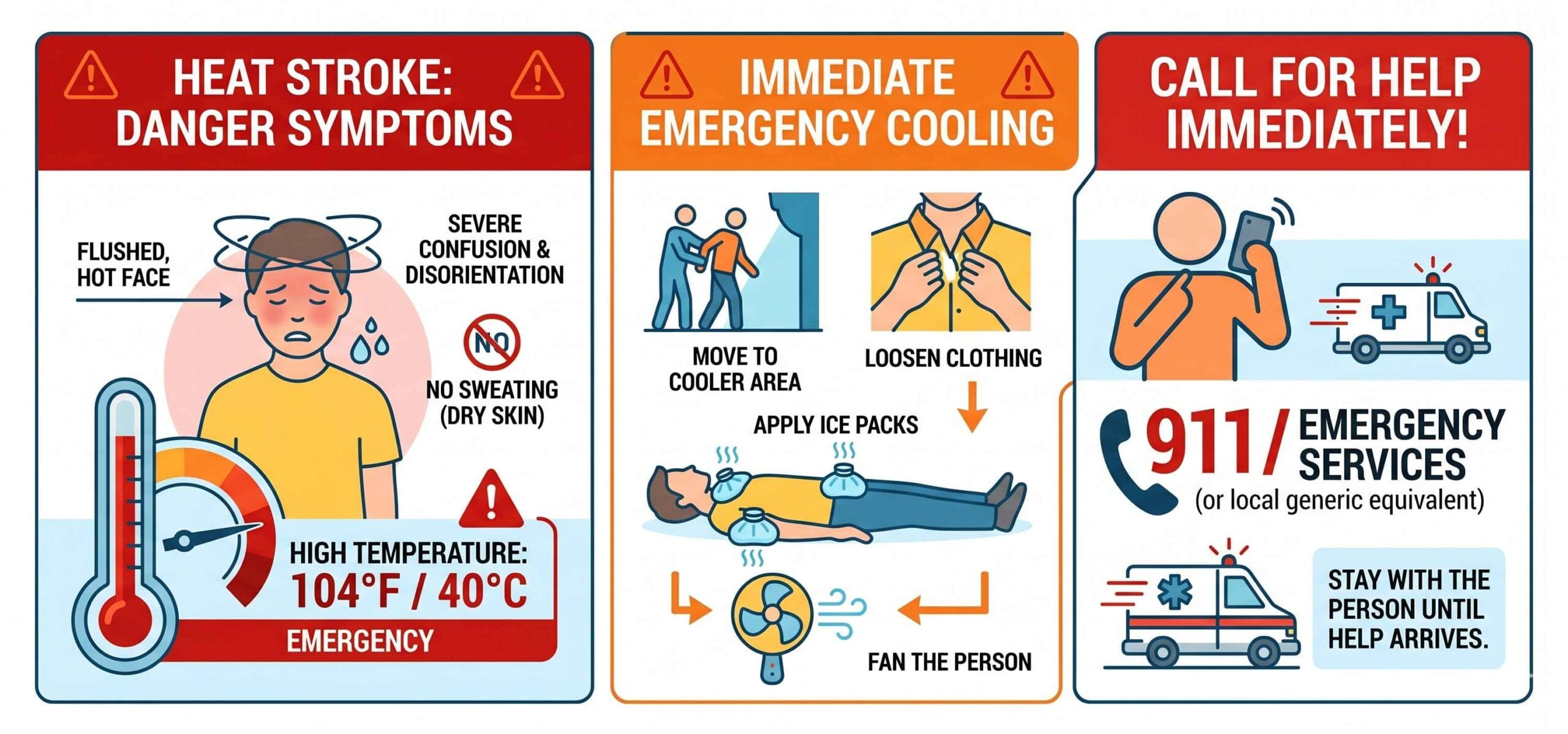
Early recognition of heat stroke symptoms can mean the difference between life and death. The condition presents with several distinctive warning signs that require immediate attention. When the body’s core temperature reaches 104°F (40°C) or higher, it leads to serious symptoms such as headache, altered mental state, rapid breathing, and racing heart rate.
Key symptoms to watch for include high body temperature, hot and dry skin or profuse sweating, rapid pulse, throbbing headache, dizziness, confusion or altered consciousness, muscle cramps or weakness, nausea and vomiting, and in severe cases, seizures or loss of consciousness. The presence of central nervous system dysfunction—such as confusion, delirium, or seizures—distinguishes heat stroke from less severe heat illnesses.
Notably, the sweating mechanism fails during heat stroke, and the body becomes unable to cool down, creating a dangerous cycle of rising internal temperature. Anyone displaying these symptoms requires immediate emergency medical attention.
Emergency Treatment: Every Second Counts
If you suspect someone is experiencing heat stroke, time is critical. Call emergency services immediately while beginning cooling measures. Basic heat stroke treatment involves cooling the person while waiting for professional help.
Move the affected person to a cool, shaded, or air-conditioned environment immediately. Remove excess clothing to allow heat to escape from the body. Apply rapid cooling techniques by using cool water on the skin with wet towels or cloths, misting with cool water, or applying ice packs to the neck, armpits, groin, and head—areas where major blood vessels are close to the skin surface.
If the person is conscious and able to swallow, offer cool water to drink. However, avoid giving fluids if they’re unconscious or showing altered mental status. Continue cooling efforts until body temperature drops to approximately 101-102°F (38.3-38.9°C) or until emergency responders arrive.
At medical facilities, healthcare providers may administer supplemental oxygen, cold intravenous fluids, ice baths, cooling blankets, or medications to prevent seizures depending on severity. Some cases may require cold-water lavage, where catheters fill body cavities with cold water to lower temperature rapidly.
Long-Term Effects and Recovery Concerns
Heat stroke isn’t always a one-time event with complete recovery. Some people experience lingering effects for weeks or months after heat stroke, including trouble coordinating muscle movements, slurred speech, and difficulty forming new memories. Organ function problems can persist for years, raising the risk of other health complications.
Prevention: Your Best Defense Against Heat Stroke
Prevention remains the most effective strategy against heat stroke. Stay hydrated throughout the day, drinking water before feeling thirsty. Avoid alcohol and caffeinated beverages, which can accelerate dehydration. Wear lightweight, loose-fitting, light-colored clothing that allows your body to cool naturally.
Schedule strenuous outdoor activities during cooler morning or evening hours. Take frequent breaks in shaded or air-conditioned spaces during hot weather. Never leave children or pets unattended in vehicles, even briefly—car interiors can reach lethal temperatures within minutes.
Use fans and air conditioning to keep indoor spaces cool. When temperatures exceed 99°F (37.2°C), fans alone become insufficient for adequate cooling. Check regularly on elderly neighbors, young children, and those with chronic health conditions during heat waves, as these populations face higher heat stroke risks.
Recognize your personal risk factors. Certain medications, heart disease, obesity, and previous heat-related illnesses increase susceptibility. If you work outdoors or exercise in heat, acclimatize gradually and monitor yourself for early warning signs.
Conclusion: Knowledge Saves Lives
Heat stroke demands immediate recognition and action. Understanding symptoms, knowing emergency treatment protocols, and implementing prevention strategies can save lives. During extreme heat conditions, remain vigilant, stay cool, stay hydrated, and never hesitate to seek emergency medical help when heat stroke symptoms appear.
References:
- Max Healthcare. Heat stroke: symptoms, causes, and types [Internet]. New Delhi: Max Healthcare; 2026 Jan 5 [cited 2026 Apr 23]. Available from: https://www.maxhealthcare.in/blogs/heat-stroke-symptoms-causes-and-types
- MyaCare. Heat stroke symptoms: early signs, first aid & prevention tips [Internet]. MyaCare; 2026 Mar 20 [cited 2026 Apr 23]. Available from: https://myacare.com/blog/beating-the-heat-understanding-preventing-and-treating-heat-stroke
- Centers for Disease Control and Prevention. Heat-related illnesses [Internet]. Atlanta: CDC; 2026 Mar 3 [cited 2026 Apr 23]. Available from: https://www.cdc.gov/niosh/heat-stress/about/illnesses.html
- Cleveland Clinic. Heat stroke: symptoms, treatment & recovery [Internet]. Cleveland: Cleveland Clinic; 2024 Oct 1 [cited 2026 Apr 23]. Available from: https://my.clevelandclinic.org/health/diseases/21812-heatstroke
- Morris A, Patel G. Heat stroke. In: StatPearls [Internet]. Treasure Island (FL): StatPearls Publishing; 2026 Jan [updated 2023 Feb 13; cited 2026 Apr 23]. Available from: https://www.ncbi.nlm.nih.gov/books/NBK537135/