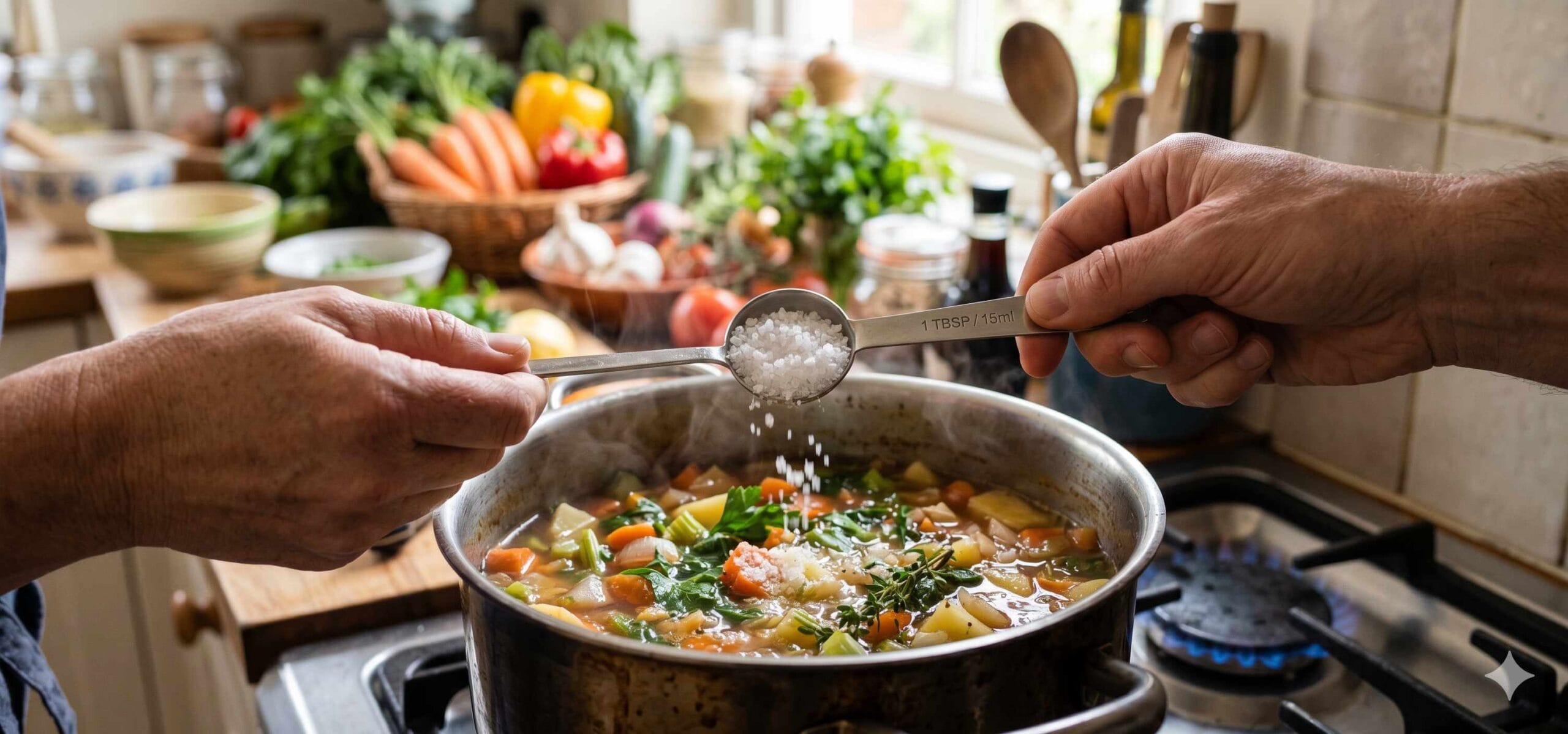
India faces a mounting public health crisis that lurks in every kitchen cabinet. With nearly 80% of sodium intake coming from salt added during cooking at the household level, health experts have released a consensus statement recommending potassium-enriched low-sodium salt substitutes as an effective intervention to reduce hypertension and cardiovascular disease in India
The Silent Epidemic Hiding in Plain Sight
Indians consume double the World Health Organization recommended daily salt intake of less than 5 grams, creating what medical professionals are calling a “silent epidemic.” The numbers paint a concerning picture: average daily salt intake reaches 9.2 grams in urban areas and 5.6 grams in rural areas, both significantly exceeding the recommended limit.
This excessive sodium consumption isn’t merely a dietary concern—it’s a ticking time bomb for cardiovascular health. Excess salt causes the body to retain water, which puts pressure on the blood vessels and can develop into hypertension, also known as the “silent killer” because it has no symptoms but can cause heart attacks and strokes.
The Low-Sodium Solution: Two Birds, One Stone
In April 2026, a panel of health experts released a consensus statement Friday recommending potassium-enriched low-sodium salt substitutes as an effective intervention. This recommendation builds on WHO guidelines launched in January 2025 on the use of lower-sodium salt substitutes, with 29 Indian medical experts signing a consensus statement to integrate LSSS into national sodium-reduction strategies.
What makes low-sodium salt substitutes particularly powerful is their dual action. High sodium intake is a key driver of elevated blood pressure, while potassium plays a complementary role by helping counteract sodium’s effects—yet potassium intake in India remains below optimal levels. By replacing regular salt with potassium-enriched alternatives, Indians can simultaneously reduce harmful sodium while boosting beneficial potassium levels.
Proven Health Benefits
The science behind this recommendation is compelling. Switching to low-sodium salt can lower blood pressure by 7/4 mmHg on average—a small change with a big impact. Long-term studies demonstrate even more impressive results: in a 10-15 year follow-up study, cardiovascular disease was reduced by 30 percent and mortality by 20 percent in participants who received a reduced sodium diet.
Higher salt intake is also associated with higher risk of stroke and stroke deaths, making sodium reduction a critical public health priority. The good news? Low-sodium salt substitutes address both issues—cutting sodium and restoring potassium—with no change in taste and appropriate safeguards, making this a safe, scalable solution.
A National Priority
The consensus statement recommends several concrete actions: prioritizing the replacement of regular salt with potassium-enriched LSSS in homes and government nutrition programs, including these substitutes in national sodium reduction strategies and hypertension guidelines, and updating Food Safety and Standards Authority of India (FSSAI) standards to enable safe, widespread use.
ICMR has launched a community-led study aimed at reducing salt intake, especially among those with hypertension, currently underway in Punjab and Telangana. This three-year intervention focuses on structured salt-reduction counseling and promoting low-sodium alternatives through Health and Wellness Centres.
The Path Forward
Making the switch from regular table salt to low-sodium alternatives represents more than a simple dietary change—it’s a critical step in addressing India’s hypertension crisis. With expert consensus, government initiatives, and proven health benefits, the time has come for Indian households to rethink what’s on their kitchen shelves.
The message from health experts is clear: dropping traditional table salt in favor of potassium-enriched low-sodium alternatives could save countless lives and significantly reduce the burden of cardiovascular disease across the nation.
References
- The Tribune India. (2026, April 17). “High sodium intake is a key driver of elevated blood pressure, experts recommend use of potassium enriched low sodium salt.” Retrieved from https://www.tribuneindia.com/news/health/
- ThePrint. (2026, April 19). “Why panel of Indian medical experts wants you to ditch table salt.” Retrieved from https://theprint.in/health/
- Indian Journal of Medical Research. (2023). “India’s tryst with salt: Dandi march to low sodium salts.” Retrieved from https://journals.lww.com/ijmr/
- Business Today. (2025, July 13). “Indians eating too much salt: ICMR warns of silent epidemic, rising risk of stroke, heart…” Retrieved from https://www.businesstoday.in/
- World Health Organization. (2025, January). “Guidelines on the use of lower-sodium salt substitutes.”
- Drug Today Medical Times. “India’s Salt Crisis Raising Red Flags for Heart Health.” Retrieved from https://www.drugtodayonline.com/
- National Institute of Epidemiology, ICMR. (2025). “Community-led Salt Reduction Initiative.”